

Written by Andrew Marshall
UK parent of three sharing practical advice to help families enjoy camping, walking, garden play, and simple outdoor adventures across the UK.
Creator of Simple Days Outside.
When the weather warms up in the UK, many families face the same question: Where should we go for water fun today? Should you stay home with a paddling pool, head to the seaside, or visit a lake or loch?
Each option promises splashing, laughter, and tired-out kids — but the reality can be very different depending on ages, weather, effort, and safety concerns. What sounds magical in theory can sometimes turn into sand in sandwiches, freezing water, or a car full of damp towels.
This guide breaks down where kids actually tend to have the most fun — not in Instagram photos, but in real UK family life. It’s part of our wider collection of ideas for family water play and summer outdoor fun, covering everything from garden activities to seaside days and inland swimming spots. We’ll look at excitement, practicality, safety, cost, and stress levels, so you can choose the right option for your family on any given day.
🤯 Why This Choice Matters More Than You Think
On paper, all three options sound equally fun. In reality, choosing the wrong one for your child’s age, mood, or the weather can turn a promising day into a stressful one.
Many UK parents know this pattern:
- You drive an hour to the beach… and it’s freezing
- You arrive at a lake… and the kids won’t go in the cold water
- You set up a paddling pool… and older kids are bored in 20 minutes
The “best” option isn’t universal — it changes depending on energy levels, travel time, facilities, and even how well your child slept the night before.
This guide focuses on real-world fun, not ideal conditions, so you can make the right call before packing the car (or filling the pool).
🏡 Paddling Pools: The Easiest Win (Especially for Younger Kids)
For babies, toddlers, and younger primary school children, paddling pools often deliver the highest “fun per effort” ratio of all.
Why Kids Love Them
- Warm water (especially in sunny gardens)
- Total freedom to splash without rules
- Familiar surroundings
- Toys allowed — cups, balls, slides, sprinklers
- No waiting, queues, or travel
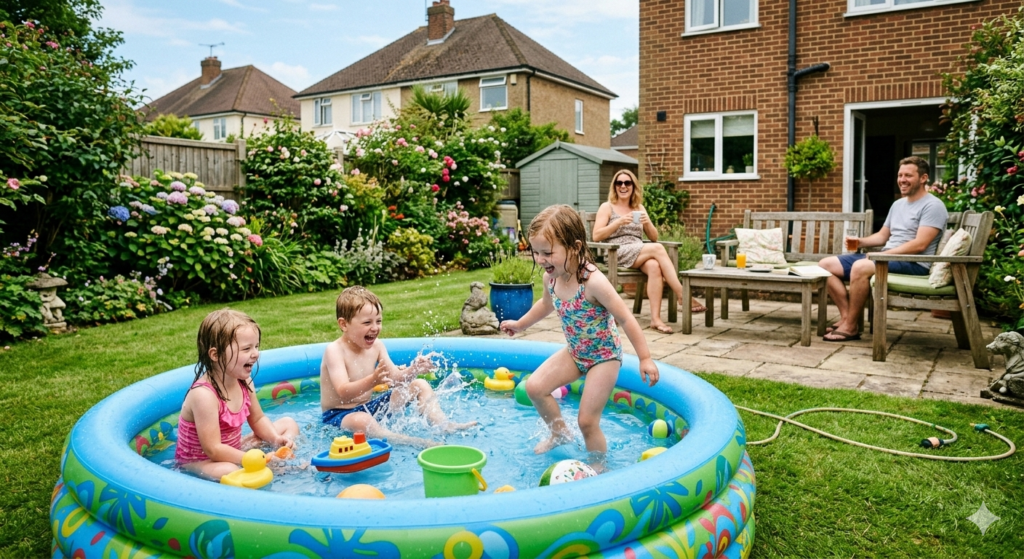
Younger children don’t crave vast open water. They want control, comfort, and the ability to play their own games. A simple paddling pool with a few water toys can keep them busy for hours.
Add a slide, sprinkler attachment, or floating toys, and suddenly your garden becomes a mini water park.
Why Parents Love Them
- No travel or parking stress
- Toilet and snacks nearby
- Nap time still possible
- No sand, mud, or unpredictable waves
- Low cost after purchase
If you already have a hose and garden space, it’s arguably the cheapest long-term option.
The Downsides
- Setup time (especially filling and emptying)
- Requires supervision at all times
- Less exciting for older kids
- Needs decent weather
- Can turn lawns muddy
Large inflatable pools can take ages to fill, and emptying them safely is another task. Many parents end up using a submersible pump or simply letting water drain overnight.
Best For
- Babies and toddlers
- Preschool children
- Quick after-school fun
- Hot days when travel feels too much
- Parents who want minimal stress
💡 How to Make a Paddling Pool Feel Like a Water Park
A basic pool is fun — but a few upgrades can multiply enjoyment dramatically:
- Attach a hose sprinkler or fountain toy
- Add slides or inflatable obstacles
- Use cups, sieves, and pouring toys
- Freeze small toys in ice blocks for “rescue missions”
- Add floating balls or rings
Some families even combine water play with a small inflatable slide or water-spray toy, turning a quiet garden into something that feels like a mini holiday attraction.
🏖️ The Beach: Maximum Adventure (and Maximum Chaos)
For many UK families, the beach is the ultimate summer day out — but whether it’s fun or exhausting depends heavily on preparation, weather, and expectations.
Why Kids Love the Beach
The seaside offers a combination no garden or lake can match:
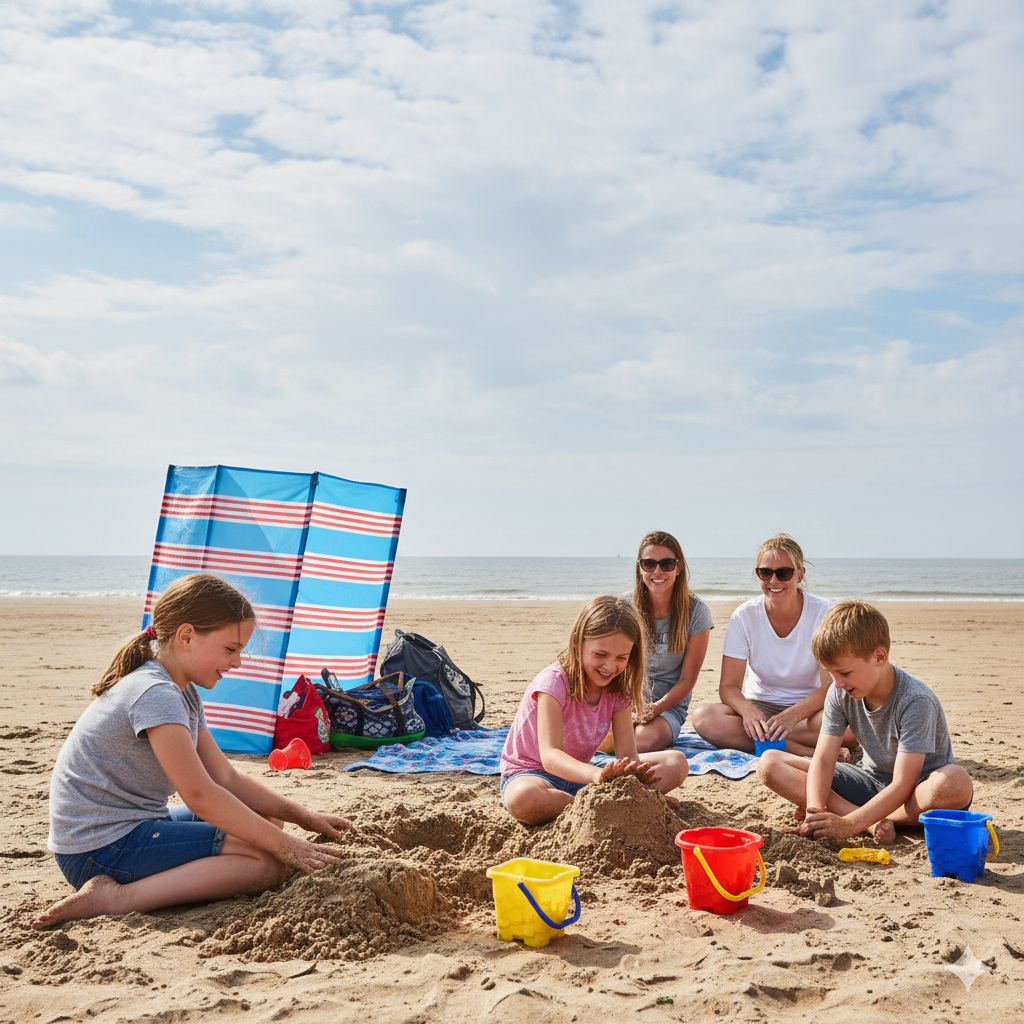
- Sand for digging, building, and burying things
- Waves for jumping and splashing
- Rock pools to explore
- Huge open space to run
- Ice cream, chips, and novelty shops
It’s essentially a giant natural playground.
Give children a bucket, spade, and maybe a bodyboard, and they’ll invent games all day.
Why Parents Sometimes Don’t Love It
Beaches in the UK can be stunning — but they’re also unpredictable.
- Wind can make it freezing even on sunny days
- Parking can be stressful or expensive
- Tides change access to water
- Sand gets everywhere
- Facilities vary wildly
Many parents discover that “beach day” actually means hauling bags across soft sand while juggling towels, snacks, and complaints.
If you’re heading to the seaside, packing properly makes an enormous difference. A quick glance at a practical checklist of what to take to the beach with kids can prevent most common disasters.
Weather Matters More Than Anywhere Else
Unlike a paddling pool, you can’t control conditions.
- Cold sea = reluctant swimmers
- Strong wind = flying sand
- Overcast skies = chilly day
- Busy peak days = crowded chaos
On the flip side, a warm, calm day at a safe sandy beach can be magical.
Best For
- Primary school children and up
- Families who enjoy full day trips
- Kids who love sand play
- Adventurous children
- Occasional “big day out” rather than daily use
🌬️ The Hidden Factor That Makes or Breaks UK Beach Days
It isn’t rain.
It’s wind.
Even on sunny days, coastal wind can make children miserable within minutes. Sand blowing into eyes, cold air after swimming, and difficulty keeping towels or snacks in place can turn excitement into complaints.
A sheltered base — such as a pop-up beach shelter or windbreak — often determines whether families stay for hours or leave early.
Parents who bring proper shelter consistently report much more relaxed, enjoyable days.
🌊 Lakes & Lochs: The Wild Card That Can Be Amazing
Lakes, reservoirs, and lochs can offer some of the most memorable water experiences — but they’re also the most variable.
Why Some Kids Love Lakes
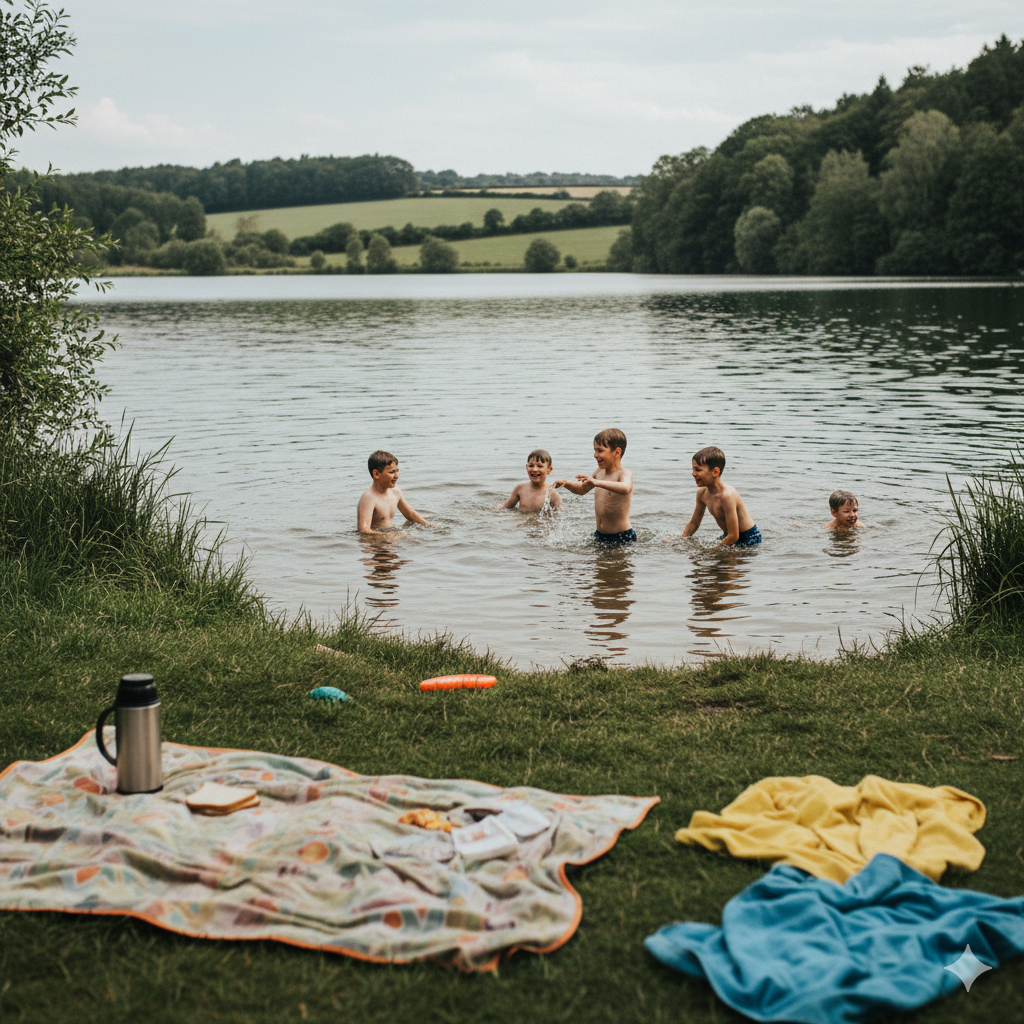
- Calm water (no waves)
- Room to swim freely
- Often quieter than beaches
- Nature to explore
- Great for older kids and teens
Freshwater tends to feel less harsh than salty seawater, and many lakes warm up surprisingly well in summer.
For families with older children, activities like swimming, stone-skimming, and beginner paddling can be hugely appealing. A stable paddle board can even turn a calm lake into a full adventure day.
Why Some Kids Don’t
- Water can be cold even in summer
- Entry points may be muddy or rocky
- Less obvious “play” features than beaches
- No lifeguards at many sites
- Facilities often limited
Unlike seaside towns, lakes don’t usually have amusements, shops, or cafés within easy reach.
Safety Is a Bigger Factor
Parents often feel more nervous around inland water.
- Depth can change suddenly
- Hidden hazards possible
- No tide timetable to guide you
- Water quality varies
Basic precautions — staying near shore, choosing recognised swimming spots, and using buoyancy aids where appropriate — dramatically reduce risks.
If you’re unsure about a location, it’s worth checking how to find safe outdoor swimming spots in the UK before visiting.
Best For
- Confident swimmers
- Older children and teens
- Families who enjoy nature
- Quieter outings
- Water sports beginners
🧊 Why Lakes Often Feel Colder Than the Sea
Many families expect inland water to be warmer — but this isn’t always true.
Lakes can feel surprisingly cold because:
- There’s less wave movement to warm surface water
- Deep water retains cold temperatures
- Shade from trees reduces heating
- Entry points are often shaded
Encouraging gradual entry, short swims, or wearing buoyancy aids can help children build confidence and enjoy the experience without getting overwhelmed.
🧒 Which Option Is Most Fun by Age?
Babies & Toddlers (0–3)
Winner: Paddling Pool
They want warm water, familiar surroundings, and freedom to splash. Beaches can be overstimulating, windy, and nap-disrupting.
Lakes offer little benefit at this stage.
Preschool & Early Primary (4–7)
Winner: Tie — Paddling Pool or Beach
- Paddling pool = reliable fun
- Beach = exciting adventure
Lakes can work if there’s a safe shallow entry, but sand play usually wins.
Older Primary (8–11)
Winner: Beach or Lake
Kids this age want space, challenge, and novelty.
- Waves and rock pools at the seaside
- Swimming and exploring at lakes
Paddling pools often start to feel babyish unless large enough for real play.
Teens
Winner: Lake (Often)
Many teenagers prefer quieter, more natural settings where they can swim, relax, and hang out without crowds or “little kid” activities.
⚖️ Effort vs Fun: What Parents Actually Experience
Here’s the honest comparison many families discover over time.
Lowest Effort → Paddling Pool
- Zero travel
- Low packing
- Easy cleanup
- Quick setup once routine established
Fun is reliable, especially for younger children.
Highest Effort → Beach
- Travel time
- Parking
- Carrying gear
- Weather uncertainty
- Full-day commitment
But also offers the most variety of activities.
Moderate Effort → Lake
- Travel required
- Often quieter than beaches
- Packing depends on facilities
- Can be very peaceful
🧘 What Kids Remember Most Isn’t the Location
Parents often worry about creating “perfect” outings, but children usually remember simpler things:
- Having freedom to play
- Feeling safe and relaxed
- Spending time together
- Snacks and treats
- Small adventures
A spontaneous hour splashing in a garden pool can create stronger memories than a stressful full-day trip.
If everyone ends the day happy and tired, you chose well.
💸 Cost Comparison
Paddling Pool
Upfront purchase, then very low ongoing cost.
Water usage is the main expense.
Beach
Costs vary widely:
- Fuel
- Parking
- Ice creams and snacks
- Equipment purchases
A “free day out” rarely stays free.
Lake
Usually similar to beaches, but often cheaper:
- Parking fees
- Picnic food
- Optional gear
🧺 Comfort & Facilities
Comfort can dramatically affect how much fun kids actually have.
Paddling Pool
✔ Toilet nearby
✔ Shade options easy
✔ Dry clothes accessible
✔ Nap-friendly
Beach
✔ Toilets often available (but not always close)
✔ Cafés possible
✖ Wind exposure
✖ Sand everywhere
Portable shelters or windbreaks can transform comfort levels on breezy UK coasts.
Lake
✔ Peaceful environment
✖ Facilities vary hugely
✖ Sometimes very basic
❤️ The Real Secret: Variety Beats “Best”
The truth is there isn’t one location where kids always have the most fun.
Different settings shine at different times:
- Hot weekday afternoon → paddling pool
- Sunny weekend → beach
- Calm nature day → lake
Families who rotate between options often report the highest overall enjoyment.
Novelty keeps excitement high.
🧠 Quick Decision Guide
Choose a paddling pool if:
- Kids are very young
- You want easy, low-stress fun
- Weather is hot but travel feels exhausting
- You only have a few hours
Choose the beach if:
- You want a full adventure day
- Kids love sand and waves
- Weather forecast is good
- You’re prepared for effort
Choose a lake if:
- Kids are confident around water
- You want quieter surroundings
- You enjoy nature
- Swimming is the main activity
✅ “What Should We Choose Today?”
If you’re still unsure, use these real-life “today” scenarios:
If it’s sunny but breezy (typical UK):
Choose a paddling pool or a sheltered beach setup. Kids stay happier when they can warm up quickly — wind is what ruins most seaside days.
If you’ve only got 1–2 hours:
Paddling pool wins almost every time. Travel and packing eats half the day otherwise.
If your kids are full of energy and need tiring out:
The beach usually delivers the biggest “proper tired” result thanks to running, digging and waves.
If you want calmer, quieter fun (less crowds, less stress):
A lake/loch day often feels more relaxed — especially if you can find a recognised swimming spot with a gentle entry.
If your kids are 8+ and love a challenge:
Beach or lake tends to win — paddling pools can start to feel small unless you add games, targets, and toys.
If you’re solo parenting today:
Choose the option with the easiest supervision. For many parents, that’s the paddling pool, because you control the space, the depth, and the exits.
🏆 So… Where Do Kids Actually Have the Most Fun?
If we’re brutally honest:
Younger kids → Paddling pool wins
Primary age → Beach often wins
Older kids & teens → Lakes can win
But the biggest factor isn’t location.
It’s whether the day feels relaxed, safe, and full of freedom to play.
Tired parents, rushed packing, or miserable weather can ruin even the most beautiful destination.
Final Thought
You don’t need the “perfect” outing to create great memories.
A simple afternoon splashing in the garden can be just as joyful as a seaside trip — sometimes more so.
What kids remember most isn’t where they were, but how much fun they had with you.
🔗 Related Guides
About The Author – Andrew Marshall
Andrew Marshall is the creator of Simple Days Outside and a UK parent of three who regularly camps, walks, and explores outdoor activities with his family. His guides focus on practical gear, realistic family adventures, and simple ways to help families enjoy the outdoors across the UK. The recommendations on this site are based on real-world use, research, and the kind of equipment families actually rely on for weekend trips and everyday outdoor fun.