

Written by Andrew Marshall
UK parent of three sharing practical advice to help families enjoy camping, walking, garden play, and simple outdoor adventures across the UK.
Creator of Simple Days Outside.
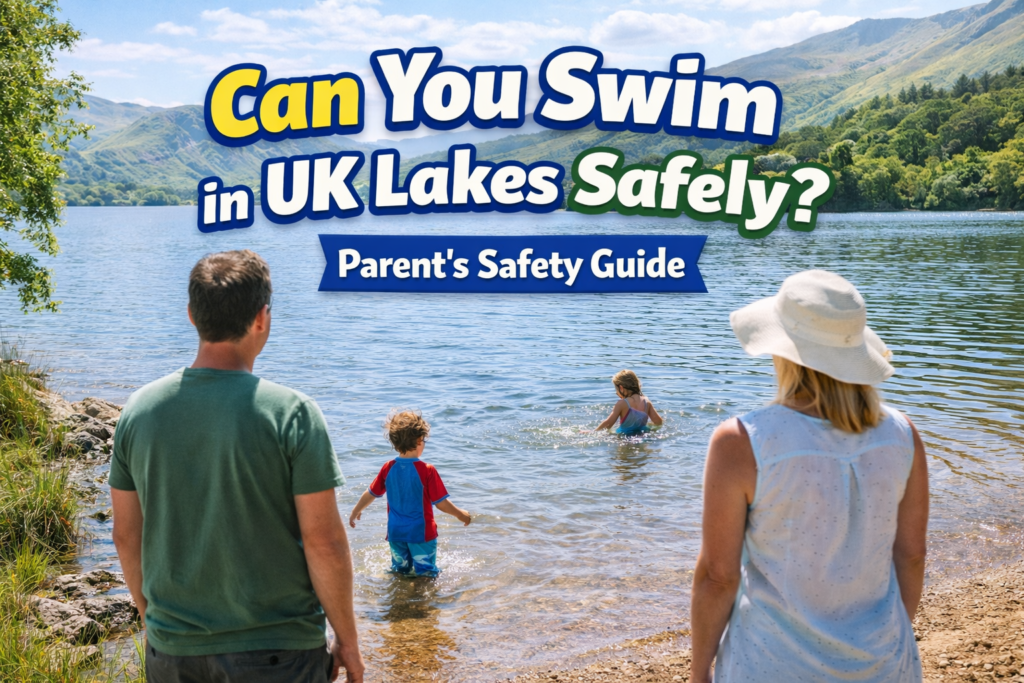
Swimming in lakes, reservoirs, and lochs can be one of the most magical outdoor experiences for families — calm water, beautiful scenery, fewer crowds than beaches, and a sense of adventure children often love. On a warm day, a clear freshwater lake can feel far more inviting than a windy British coastline.
If you’re exploring outdoor water activities this summer, it helps to understand how lake swimming differs from the sea or swimming pools. This guide forms part of our wider collection of family water safety and outdoor swimming advice, designed to help parents enjoy open water confidently rather than cautiously.
The honest answer is that YES many UK lakes are safe for swimming — but only in the right places and with the right precautions. This practical guide explains what to check, the real risks families face, and how to make freshwater swimming enjoyable rather than stressful.
👉 In This Guide
🌊 First: Not All Lakes Are Meant for Swimming
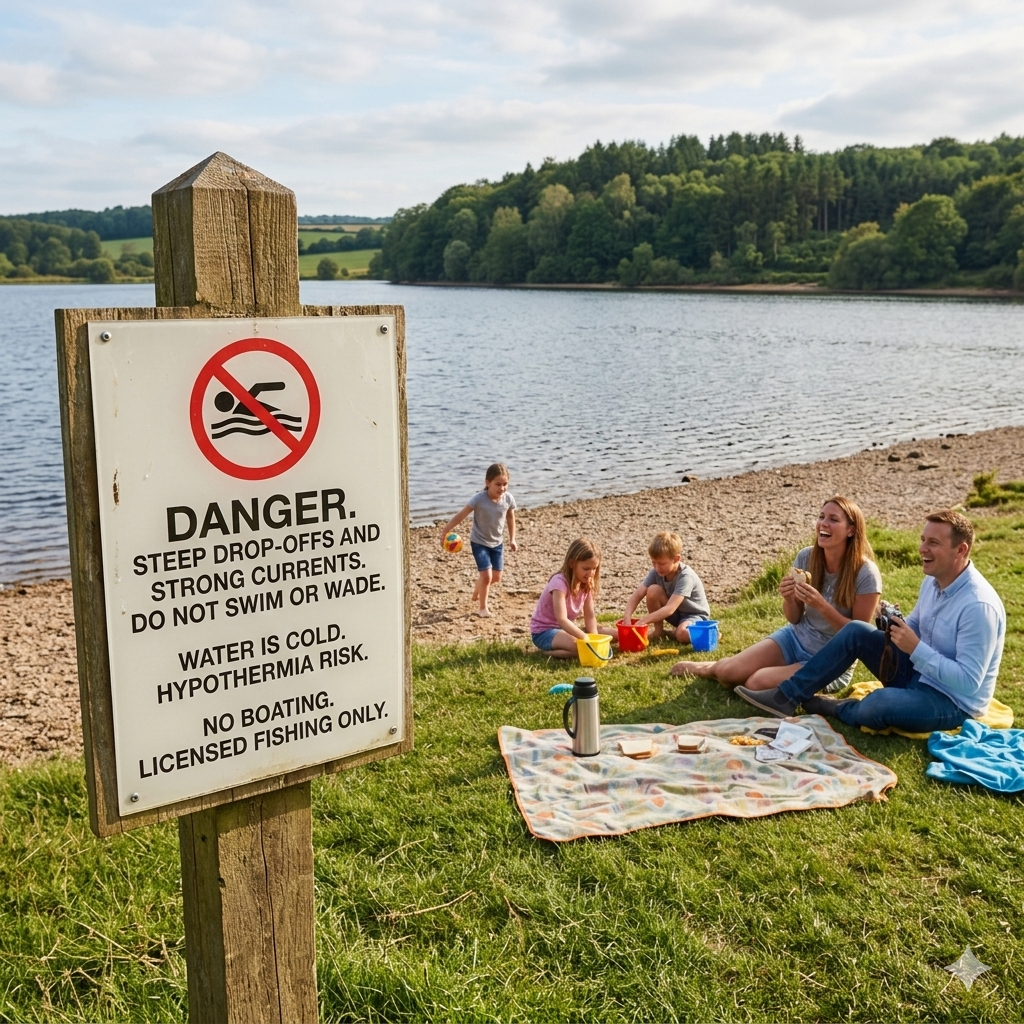
Some lakes welcome swimmers; others explicitly prohibit it.
Avoid entering water where you see signs such as:
- “No swimming”
- “Danger — deep water”
- “Reservoir — keep out”
- “Private land”
- “Water intake area”
Reservoirs in particular may contain hidden structures, steep drop-offs, or strong underwater currents from water management systems.
Before visiting, check official guidance from landowners or local authorities. The Royal Life Saving Society UK provides detailed open water safety guidance for families and explains the risks of swimming in unmanaged locations.
⚠️ Reservoirs Are Not the Same as Natural Lakes
Many UK “lakes” are actually reservoirs — and these can be significantly more dangerous.
Reservoir hazards may include:
- Extremely steep underwater sides
- Very cold deep water
- Strong currents near outlets
- Submerged structures
- Sudden depth changes just a few steps from shore
If swimming is not explicitly permitted, assume it is unsafe.
Reservoirs often look calm and inviting but lack safe entry points and supervision.
🧭 A Simple “Safe Today?” Checklist
Before letting children swim, quickly assess:
✔ Is swimming allowed here?
✔ Can you see the bottom near shore?
✔ Is entry and exit easy?
✔ Are other families safely swimming?
✔ Is the water calm?
✔ Can you supervise closely?
If several answers are “no,” choose paddling instead.
🧊 Cold Water Is the Biggest Shock for Families
Even in summer, lake water can be surprisingly cold — sometimes colder than the sea.
Why?
- Freshwater doesn’t mix as much as seawater
- Deep water stays cold year-round
- Shade from surrounding hills or trees
- Limited sun exposure in narrow valleys
Sudden immersion can trigger cold water shock, causing gasping and panic.
Encourage children to:
- Enter gradually
- Splash water on arms and torso first
- Keep early swims short
- Warm up fully afterwards
A warm day on land doesn’t mean warm water.
🏖️ Entry Points Matter More Than Water Itself
Many problems happen not in the water, but getting into it.
Look for safe entry features:
✔ Gently sloping shore
✔ Firm ground (sand, gravel, grass)
✔ Clear visibility
✔ No sudden drop-offs
✔ Space to exit easily
Avoid:
✖ Muddy banks
✖ Slippery rocks
✖ Dense reeds
✖ Steep edges
✖ Areas with boats
A simple rule: If getting in looks difficult, getting out may be harder.
🤿 Never Assume It’s Safe to Jump In
Children often want to jump from rocks, jetties, or banks.
This can be dangerous because:
- Depth varies dramatically
- Hidden rocks or debris may be present
- Water may be colder than expected
- Exit points may be difficult
Unless the depth is known and the area commonly used for jumping, it’s safest to avoid it.
🚫 Hidden Hazards Under the Surface
Freshwater can conceal obstacles invisible from above.
Possible hazards include:
- Submerged branches or trees
- Sharp rocks
- Fishing equipment
- Old structures
- Sudden depth changes
Teach children not to dive unless the water depth and bottom are known.
🚤 Boats and Water Users
Unlike many beaches, lakes often have mixed use.
Watch for:
- Motorboats
- Paddle craft
- Anglers
- Sailing areas
Swimming in designated zones reduces conflict with other users.
Calm lakes are popular not just for swimming but also for gentle water activities. Many families bring beginner paddle boards, which can be a fun way to explore while staying close to shore.
🛟 Supervision Is Essential (Even for Strong Swimmers)
Open water tires swimmers faster than pools because:
- No walls to rest on
- Colder temperatures
- Uneven footing
- Waves from passing boats
- Psychological stress
Children should remain close to shore unless directly supervised.
Buoyancy aids can dramatically increase safety and confidence, especially for younger or less experienced swimmers.
🏊 How Far Is Safe for Children to Swim?
For most families:
👉 Staying within standing depth is safest.
Open water fatigue happens quickly, especially in cold conditions.
Stronger swimmers can go further — but only with supervision and clear limits.
🌬️ Weather Changes Everything
Conditions can shift quickly in upland areas.
Watch for:
- Increasing wind
- Darkening clouds
- Falling temperatures
- Reduced visibility
Even small waves can make returning to shore harder for children.
If weather deteriorates, exit early.
🧒 Age Matters More Than Ability
Babies & Toddlers
- Keep them in very shallow water
- Avoid prolonged immersion
- Watch for rapid cooling
- Maintain arm’s-reach supervision
Younger Children (4–7)
- Likely to overestimate ability
- May slip on uneven surfaces
- Can panic if footing disappears
Stay close and set clear boundaries.
Older Children & Teens
- May swim further than intended
- Peer pressure to jump or dive
- Increased risk-taking
Agree limits before entering the water.
🌿 Water Quality Concerns
Freshwater can contain bacteria, algae, or pollution.
Avoid swimming if:
- Water looks cloudy or scummy
- There are warning notices
- Dead fish are visible
- There is strong odour
- Blue-green algae warnings are posted
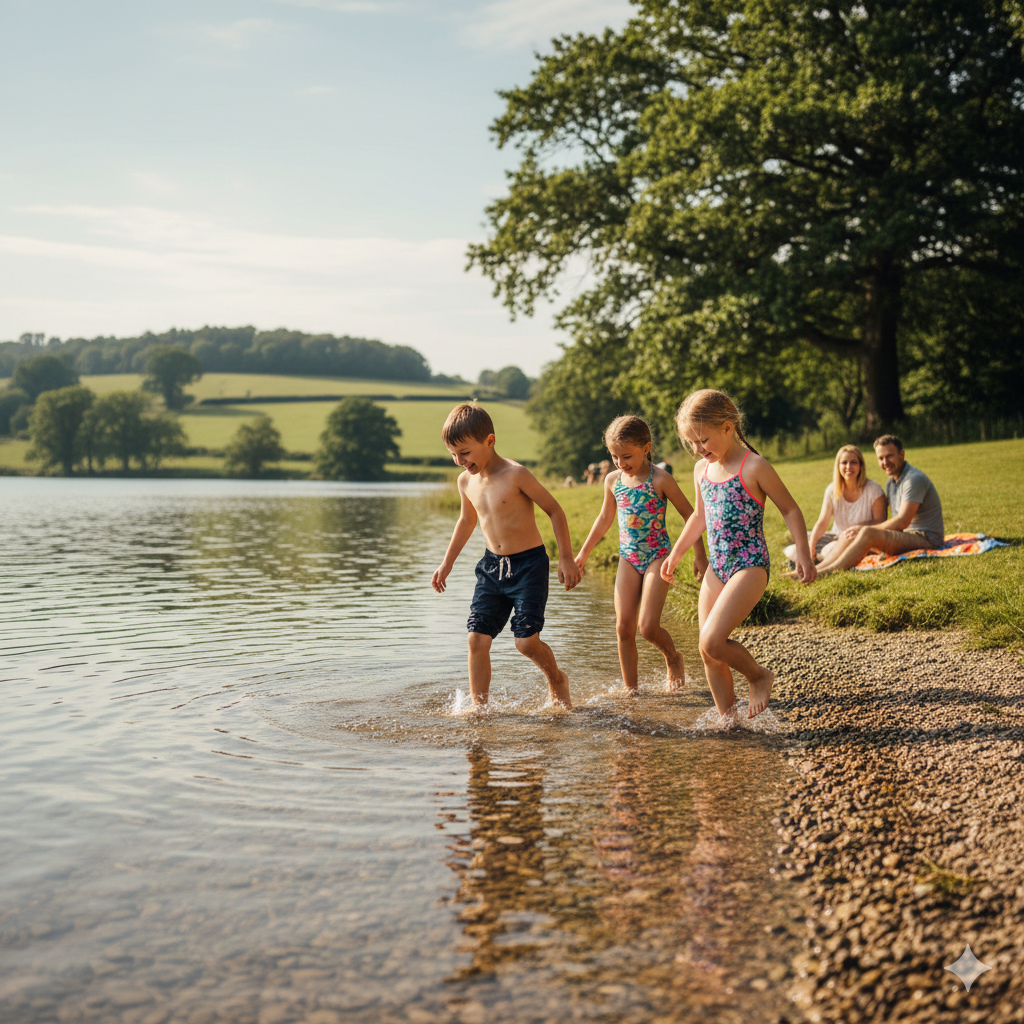
🟢 Blue-Green Algae Can Be Harmful
In warm weather, some lakes develop toxic algae blooms.
Avoid swimming if you see:
- Green scum on the surface
- Paint-like streaks
- Warning signs
- Dead fish or birds
- Strong musty smell
Keep pets out as well — algae can be dangerous to animals.
The Environment Agency publishes up-to-date advice on blue-green algae risks and what to do if you encounter it.
🧭 Choose Recognised Swimming Locations
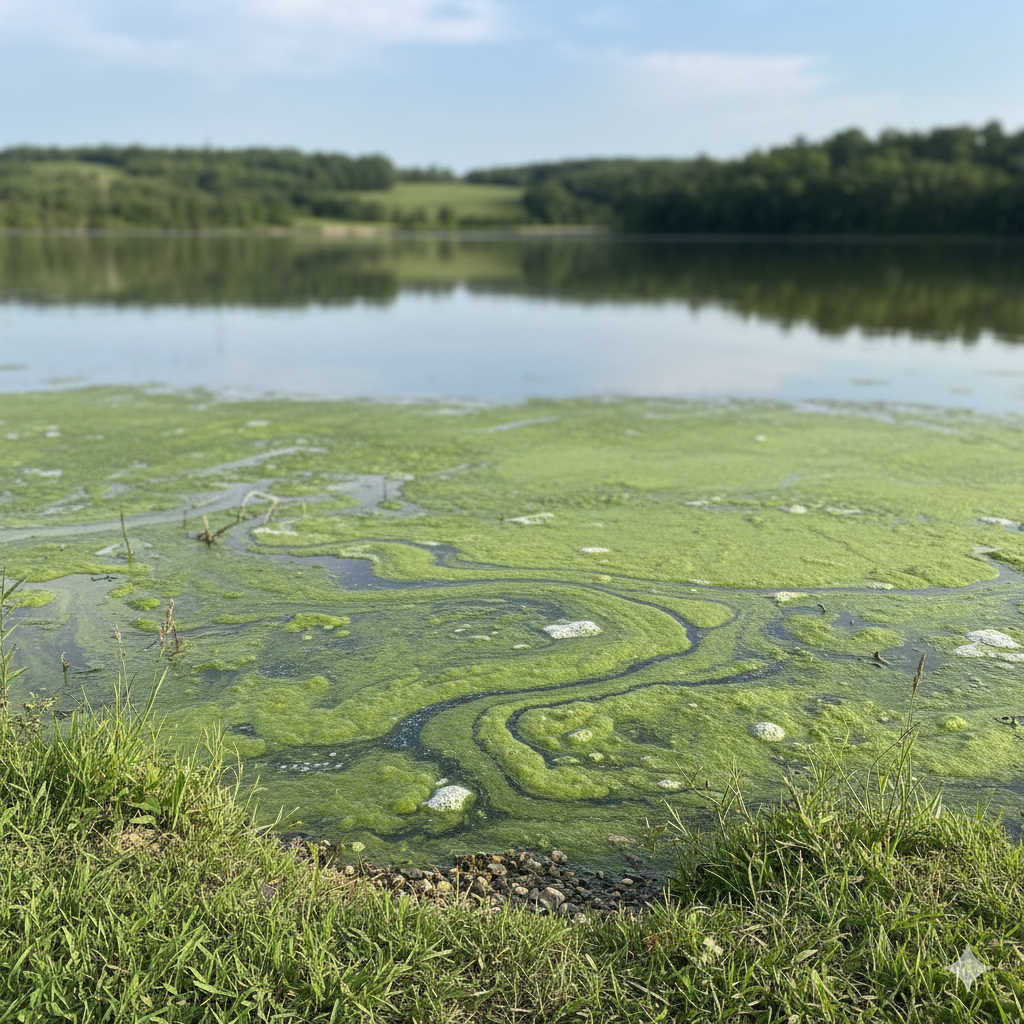
Many lakes have unofficial entry points, but safer options include:
✔ Managed outdoor swimming areas
✔ Popular family beaches on lakes
✔ Locations with visible regular use
✔ Areas recommended by local authorities
If unsure, researching recognised safe swimming locations beforehand is one of the best ways to reduce risk.
National organisations such as Swim England also recommend choosing supervised or designated swimming areas whenever possible, particularly for families with children or less experienced swimmers.
🥶 After-Swim Warm-Up Is Critical
Children often underestimate how cold they’ve become.
Bring:
- Large towels
- Warm clothing
- Footwear
- Hot drinks if possible
- Dry changing options
Cold, tired children are more prone to slips, falls, and poor decision-making.
🧺 Comfort = Safety at Lakes Too
Facilities are often limited compared with beaches.
Plan for:
- Toilets (may be none)
- Shade or shelter
- Food and water
- Changing privacy
- Waste disposal
A comfortable base helps prevent fatigue and wandering.
If you’re deciding between different water options for a hot day, comparing lakes with beaches or garden play can help you choose what suits your family best.
Many of the same essentials you’d bring for a seaside trip also apply here, especially when facilities are limited and conditions can change quickly.
❤️ The Truth: Lake Swimming Can Be Wonderful
When done thoughtfully, freshwater swimming offers unique benefits:
- Calm water for beginners
- Less noise and crowding
- Beautiful natural surroundings
- Opportunities for exploration
- Confidence-building experiences
Many families find it less stressful than busy beaches.
🏆 Quick Parent Checklist Before You Swim
Ask yourself:
- Is swimming allowed here?
- How cold is the water likely to be?
- Is there a safe entry and exit?
- Are boats or anglers nearby?
- Can I supervise effectively?
- Do we have warm clothes ready?
If the answers feel reassuring, you’re likely at a suitable spot.
Final Thought
Open water always carries some risk — but risk doesn’t mean danger when managed well.
With preparation, supervision, and sensible limits, lake swimming can become one of the most rewarding outdoor activities for families in the UK.
Children gain confidence, resilience, and a deeper connection to nature — memories that last far longer than any indoor attraction.
🔗 RELATED GUIDES
About The Author – Andrew Marshall
Andrew Marshall is the creator of Simple Days Outside and a UK parent of three who regularly camps, walks, and explores outdoor activities with his family. His guides focus on practical gear, realistic family adventures, and simple ways to help families enjoy the outdoors across the UK. The recommendations on this site are based on real-world use, research, and the kind of equipment families actually rely on for weekend trips and everyday outdoor fun.